Camden Council rubbish rules and cleaner responsibilities West Hampstead
If you live, manage, rent, clean, or look after a property in West Hampstead, rubbish handling can get messy fast. One missed collection, one bag left in the wrong place, or one cleaner who is not clear on responsibilities, and suddenly the whole building feels out of step. This guide explains Camden Council rubbish rules and cleaner responsibilities West Hampstead in plain English, with practical advice you can actually use on a busy London day.
Whether you are a homeowner, landlord, tenant, managing agent, or cleaner, the key issue is simple: waste has to be stored, separated, presented, and removed in a way that keeps the property tidy and avoids complaints. That sounds obvious. In real life, it often is not. A bin store can get overfilled by Friday morning. A communal area can look untidy by lunchtime. And a cleaner may be asked to "sort it out" without being told what is included, what is not, and who is responsible for collection.
This article breaks the topic down into the rules, the practical realities, the common mistakes, and the standards worth following so everyone knows where they stand.
Why Camden Council rubbish rules and cleaner responsibilities West Hampstead Matters
Waste is one of those things people only notice when it goes wrong. A good bin routine disappears into the background. A bad one becomes the first thing residents, visitors, or neighbours see. In West Hampstead, where streets are busy and shared entrances are common, rubbish management affects more than appearance. It affects hygiene, access, pests, odour, and the general feel of the property.
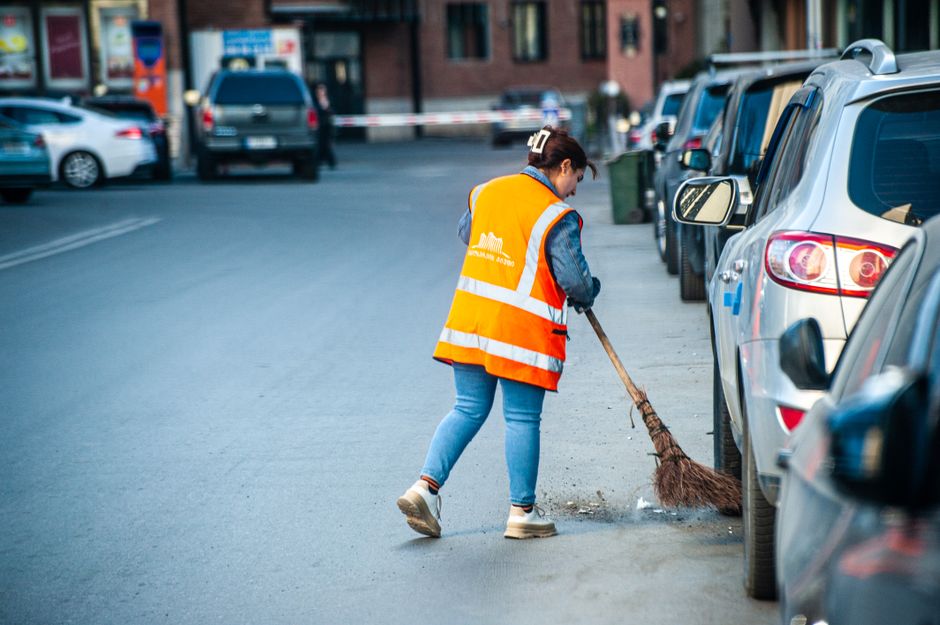
For cleaners, this matters because cleaning and waste removal are related but not identical. A cleaner can tidy a space, bag loose waste, wipe down the area, and organise rubbish for collection. But they are not automatically responsible for illegal dumping, overflowing bins, or moving materials that fall outside the agreed service. That distinction needs to be clear from the start. Otherwise, everyone ends up assuming someone else is handling it.
There is also a reputational angle. In a shared building, one messy bin store can make the whole block look neglected. In a rental property, poor waste handling can trigger complaints from tenants or landlords. In a commercial setting, it can create a very obvious sense of disorder. To be fair, nothing says "this place is not looked after" quite like black bags leaning against a wall for three days.
If you already use a professional service for regular cleaning or occasional one-off cleaning, rubbish responsibilities should be discussed alongside the cleaning checklist. That small conversation saves a lot of awkwardness later.
How Camden Council rubbish rules and cleaner responsibilities West Hampstead Works
At a practical level, Camden waste arrangements usually come down to three things: what goes in the bin, where it is stored, and when it is presented for collection. The exact details can vary by property type, bin capacity, and the collection setup used at the address, so it is always sensible to check the current local arrangements rather than relying on memory from last month.
For cleaners, the process typically works like this:
- Identify what rubbish is part of the cleaning task.
- Separate recyclable and non-recyclable waste where possible.
- Bag waste securely so it does not leak or attract pests.
- Place waste in the agreed collection point, bin store, or designated container.
- Leave the area tidy, with lids closed and bags not blocking access.
That sounds straightforward, but the complications arrive quickly. For example, a cleaner may discover mixed waste after a move-out clean, food waste left in a kitchen, packaging from a furniture delivery, or bulky items that clearly do not belong in a normal domestic bin. In those moments, the correct response is not guesswork. It is to follow the agreed instructions, raise the issue, and avoid leaving waste in a way that creates a mess or a breach of rules.
Properties with shared entrances or communal bin areas need extra care. A cleaner working in a building that also uses communal area cleaning should not just clean around rubbish. The bins, the access route, and the surrounding surfaces should all be left in an orderly state, especially where residents walk past several times a day.
For larger premises, the distinction between general cleaning and waste handling can matter even more. Offices, for instance, may need a different approach from a family home. A good commercial cleaning arrangement should state whether the cleaner is emptying bins, moving recycling, wiping out bin areas, or simply collecting internal waste sacks for disposal in the designated place.
Key Benefits and Practical Advantages
When rubbish rules and cleaner responsibilities are clearly understood, the benefits show up very quickly. Not in theory. In daily life.
- Cleaner shared spaces: bin stores, hallways, and entrances stay more pleasant and easier to use.
- Fewer complaints: residents and neighbours are less likely to report smells, spills, or blocked access.
- Better hygiene: correct bagging and storage reduce mess, leaks, and pest attraction.
- Smoother service delivery: cleaners know what is expected and can finish the job properly.
- Less confusion over scope: everyone understands what the cleaning fee covers.
- More reliable handovers: especially useful for move-outs, tenancy changes, and managing agents.
There is also a subtle but important benefit: better trust. If a cleaner consistently leaves a property tidy, including the rubbish area, clients notice. They may not say much the first time. But they remember when the bin lids are shut, the floor is swept, and nothing smells faintly sour by the back gate. Small thing, big impression.
For landlords and tenants, waste handling can also support a cleaner end-of-tenancy process. If you are arranging end of tenancy cleaning or a final move-out cleaning, rubbish removal expectations should be clarified before the appointment. Otherwise the clean can look finished while the waste trail tells a different story.
Who This Is For and When It Makes Sense
This topic is relevant to more people than you might think. If you live in West Hampstead, chances are you are dealing with some version of it already.
- Tenants: you need to know what you are expected to put out, where to put it, and what your cleaner will or will not handle.
- Landlords: you need rubbish areas to stay presentable between tenancies and after works.
- Managing agents and freeholders: you need consistent standards for communal waste spaces.
- Homeowners: you may need support after decluttering, renovation, or a big family clean-up.
- Business owners: bin discipline helps the whole workplace feel more organised and professional.
- Cleaners: you need a clear scope so waste-related tasks do not turn into guesswork.
It makes particular sense to review rubbish responsibilities after a move, after a refurbishment, or when a building starts producing more waste than usual. That is often when the gaps show up. A property was "fine" last month, then suddenly there are cardboard piles, broken packaging, and nowhere clearly agreed to put anything.
If you are dealing with post-project debris, after builders cleaning can be a good fit, provided you define exactly what waste is being removed and what needs separate collection. Builders' rubble, plaster dust, and general rubbish are not interchangeable, and everyone involved benefits from knowing that upfront.
For deeper resets, a deep cleaning visit can also help get the property back to a manageable baseline before normal waste routines restart. Sometimes you need a fresh start, not just another tidy-up.
Step-by-Step Guidance
If you want a simple way to manage Camden Council rubbish rules and cleaner responsibilities West Hampstead without losing your mind, follow this order.
- Confirm the property type. A single home, flat share, commercial unit, or managed block may have very different waste arrangements.
- Define the cleaner's scope. Is the cleaner bagging waste, moving it to a bin store, separating recyclables, or only tidying up after cleaning?
- Identify collection points. Know exactly where the bins are, who has access, and what day waste should be presented.
- Separate waste sensibly. Keep food waste, mixed rubbish, cardboard, glass, and bulky items apart where the property setup allows it.
- Bag and secure everything. Leaking bins create more work than they save. Every time.
- Check communal access. Make sure bags are not blocking entrances, corridors, or shared pathways.
- Document unusual waste. If you find bulky items, sharp objects, or contamination, flag it rather than improvising.
- Review after the first visit. If the routine did not work, adjust it early instead of letting the problem grow.
If the cleaner is also responsible for laundry-type soft furnishings or specialist surfaces, waste planning should still be part of the brief. For example, a home with soft furnishings may benefit from pairing waste management with upholstery cleaning or sofa cleaning so the overall room reset feels complete, not half-done.
One small but useful habit: keep a written note of who empties which bins, when, and where anything goes if the collection has been missed. It sounds fussy. It is not. It avoids a lot of crossed wires.
Expert Tips for Better Results
Here are the details that make a routine work in the real world, not just on paper.
- Use one agreed waste point per property if possible. Multiple "maybe here, maybe there" places create confusion.
- Keep spare liners available so cleaners can replace bags immediately and keep the area hygienic.
- Label recycling clearly in shared homes or multi-occupancy properties. People follow what they can see.
- Separate bulky waste from cleaning waste so no one accidentally assumes it is part of the standard visit.
- Choose cleaners who understand local expectations and will not leave waste where it becomes a nuisance.
- Build rubbish checks into the end of the clean rather than leaving them as an afterthought.
For properties with frequent footfall or business use, a routine linked to office cleaning can help keep bin areas from turning into that one corner everyone pretends not to notice. You know the one. The place where receipts, cups, and mystery packaging gather as if by magic.
Window-facing bin areas and entrances often look worse than they are simply because they are visible. If that is the case, regular window cleaning or facade cleaning may improve the first impression, but only if waste discipline is also in place. Clean glass cannot compensate for an overflowing bin store. Annoying, but true.
For homes with fabrics, soft furniture, or carpets that absorb odours quickly, waste control matters even more. A property can look clean while still smelling a bit off. Pairing waste discipline with carpet cleaning or steam carpet cleaning can help reset the space after a rubbish-heavy period.
Common Mistakes to Avoid
Most rubbish-related problems are not dramatic. They are just repeated little errors. The sort that seem harmless until the whole area starts feeling untidy.
- Assuming the cleaner will remove everything. If you do not agree it in advance, do not assume it is included.
- Leaving waste beside bins. That often creates mess, pests, and neighbour complaints.
- Mixing general rubbish with recycling. A couple of wrong items can contaminate the whole container.
- Not checking collection days. Bags left too early can become a nuisance long before pickup.
- Ignoring bulky items. A broken chair or old mattress is not a normal bin bag problem.
- Using vague instructions. "Just handle the rubbish" is not a proper brief.
- Forgetting access issues. If the cleaner cannot reach the bin store, the plan fails immediately.
Another common one: people clean the kitchen and then leave food waste in a sealed room because they were rushing. It happens. But if the bin is not emptied or the bag is not removed, the room does not really feel done. It just looks done for five minutes.
If waste is part of a larger property refresh, consider bundling it with house cleaning or domestic cleaning so the cleaner can work through the space in a logical order rather than jumping around from room to bin store and back again.
Tools, Resources and Recommendations
You do not need a huge toolkit to get this right. You need a consistent setup.
- Good-quality bin liners: fewer split bags, fewer leaks.
- Labelled containers: especially useful in shared homes or offices.
- Cleaning checklist: simple enough to follow, detailed enough to prevent omissions.
- Property instructions sheet: useful for cleaners, tenants, and backup staff.
- Gloves and basic handling supplies: essential where waste may include sharp or unhygienic items.
If the property has outdoor space or side access, keeping the exterior areas clear makes collection easier and the whole job smoother. Services such as patio cleaning and gutter cleaning can support the broader upkeep of a property where leaves, dirt, and rubbish tend to collect together. They are different tasks, obviously, but they often sit in the same maintenance rhythm.
For households that have gone through a bigger declutter, house clearance may be the right route where ordinary bin collections will not cope. That is particularly useful after long-accumulated storage, a bereavement, or a major move. It is not glamorous work, but it can be a huge relief.
If your main aim is keeping the property on track week after week, a planned regular cleaning schedule gives you a far better chance of staying ahead of rubbish build-up. Prevention is just less stressful. There, that is the plain truth of it.
Law, Compliance, Standards, or Best Practice
When rubbish handling is part of a property or cleaning arrangement, the safest approach is to follow the local collection setup, respect building rules, and make sure the cleaner's duties are clearly agreed in writing. In the UK, waste handling generally needs to be done responsibly, and property occupiers, managers, and service providers should avoid anything that causes nuisance, obstruction, or unsafe storage.
It is wise to treat waste management as part of a wider operational standard rather than a loose favour. That means:
- not leaving bags in escape routes or shared entrances;
- not mixing hazardous or sharp waste with normal rubbish;
- not storing waste in a way that creates odour or attracts pests;
- making sure staff and contractors understand the agreed procedure;
- keeping service descriptions honest about what is included.
For cleaners and clients, the best practice is simple: define the boundary. Cleaning companies often handle tidy-up waste, bagging, and presentation for collection, but they should not be expected to remove items or materials that require special disposal unless that has been arranged separately. That applies whether the job is domestic, commercial, or a mixed-use property.
Professional service standards also matter. A trusted provider should have sensible health and safety policy measures, appropriate insurance and safety arrangements, and transparent terms and conditions so there is less room for misunderstanding. Those pages may not be exciting reading, granted, but they are the kind of detail that shows a company takes the work seriously.
For sustainability-minded households and businesses, it also helps if waste routines align with the provider's approach to recycling and sustainability. Reuse, separation, and sensible disposal are not just nice ideas; they make the whole system easier to manage.
Options, Methods, or Comparison Table
Different properties need different rubbish-handling methods. Here is a simple comparison to help you choose what fits best.
| Method | Best for | Pros | Limitations |
|---|---|---|---|
| Standard cleaner bag-and-bin routine | Most homes and small flats | Simple, affordable, easy to repeat | Not suitable for bulky or specialist waste |
| Communal bin management | Blocks, HMOs, shared entrances | Keeps shared areas tidy and predictable | Needs clear access and resident cooperation |
| Cleaner plus scheduled removal support | Move-outs, refurbishments, larger projects | Handles bigger amounts more safely | Needs upfront planning and scope clarity |
| House clearance approach | Serious decluttering or large item removal | Useful when ordinary collections are not enough | More involved than normal cleaning |
There is no single "best" approach for every property. A studio flat with one bin, for example, has very different needs from a busy shared home with multiple residents and separate recycling. The right method is the one that matches the waste volume and the access setup without creating extra work for everyone.
Case Study or Real-World Example
Picture a West Hampstead flat after a tenant move-out. The cleaner arrives to find the kitchen mostly clear, but there are three bin bags in the hall, a stack of cardboard from deliveries, and one broken storage box that nobody quite knows what to do with. The property is otherwise clean, but the entrance looks chaotic. That is the sort of small mess that sticks in memory.
In a sensible setup, the cleaner would:
- bag the loose waste securely;
- separate cardboard if recycling is available and agreed;
- place the bags in the correct bin store or designated location;
- leave the hallway clear and easy to walk through;
- flag the broken item if it cannot go in the normal waste stream;
- report anything unusual rather than guessing.
The result is not just a cleaner flat. It is a cleaner handover. The landlord sees order. The tenant avoids a dispute about mess. The cleaner can show they followed the agreed process. Everyone breathes a little easier, which in London is sometimes underrated.
Where odours are part of the issue too, a follow-up service such as stain removal or pet stain odour removal can make sense after the waste has been dealt with. There is no point masking a rubbish problem with fragrance and calling it a solution. We have all seen that trick. It rarely fools anybody.
Practical Checklist
Use this quick checklist before and after a clean or waste handover.
- Do I know what waste the cleaner is responsible for?
- Are bin locations, access points, and collection days confirmed?
- Have recycling and general waste been separated where appropriate?
- Are all bags securely tied and free from leaks?
- Is the bin area clear of loose debris and blockages?
- Have bulky items been identified and escalated?
- Are shared spaces left tidy and safe to use?
- Has the arrangement been put in writing or confirmed clearly?
- Do the cleaning instructions match the property's actual waste setup?
- Has the result been checked after the first visit?
If you can tick most of those boxes, you are already ahead of many properties that rely on vague instructions and hope for the best. Hope is lovely. Not a system, though.
Conclusion
Camden Council rubbish rules and cleaner responsibilities West Hampstead are really about clarity, consistency, and common sense. When everybody understands what should be bagged, where it should go, and who is responsible for each part of the process, the whole property runs better. The bin area stays tidier. Complaints drop. Cleaning feels more professional. And that slightly stressful end-of-day rubbish drama just... fades into the background where it belongs.
For West Hampstead properties, the smartest approach is to combine local waste awareness with a clear cleaning scope, sensible routines, and a bit of realism about what one cleaner can reasonably handle. That is especially true in shared homes, managed buildings, and busy commercial spaces where waste builds up quickly and small mistakes show up fast.
If you want to align your cleaning routine with a more organised, low-stress property standard, it helps to work with a team that understands the details and does not treat rubbish as an afterthought. And honestly, that makes life easier for everyone.
Get a free quote today and see how much you can save.
Sometimes the cleanest-looking buildings are simply the ones where the small jobs were handled properly. Funny how that works.
Frequently Asked Questions
What are Camden Council rubbish rules in simple terms?
In simple terms, you need to store waste properly, separate recycling where required, and present rubbish for collection in the correct way for the property. The exact setup depends on the address and property type, so it is best to confirm the current arrangement rather than assume.
What is a cleaner responsible for when it comes to rubbish?
Usually, a cleaner is responsible for the waste tasks agreed in advance, such as bagging rubbish, emptying internal bins, and placing waste in the designated collection point. They are not automatically responsible for bulky waste or special disposal unless that has been explicitly arranged.
Can a cleaner take rubbish to the bin store in West Hampstead?
Yes, if that is part of the agreed cleaning service and the cleaner has access to the bin store. The key is clarity. If access is difficult or the building has special instructions, those need to be confirmed before the visit.
Who should deal with bulky rubbish after a move-out?
Bulky rubbish usually needs separate handling. A normal cleaning visit may not cover it. In many cases, a house clearance or a specifically arranged removal service is more suitable than standard cleaning alone.
Do cleaners have to sort recycling and general waste?
Not always. It depends on the service agreement and the property setup. Some cleaners will separate waste as part of the job, while others will only remove and place bags in the correct area. The safest approach is to agree this in writing.
What happens if rubbish is left outside the bin area?
It can create odour, attract pests, obstruct access, and lead to complaints from neighbours or residents. It also makes the property look untidy very quickly, even if the rest of the clean was excellent.
Is waste handling included in regular cleaning?
Often yes, but only to the extent described in the cleaning plan. Regular cleaning may include emptying bins and tidying waste areas, but not removing large quantities of rubbish or specialist waste. Always check the service scope.
How should cleaners handle rubbish in shared buildings?
They should keep shared areas clear, bag waste securely, use the designated bin location, and avoid blocking entrances or corridors. In communal settings, tidy presentation matters a lot because everyone sees the same space.
What should I do if there is food waste or a bad smell?
Remove the source waste as quickly and safely as possible, then clean and disinfect the affected area if needed. If the smell has spread into carpets or upholstery, specialist cleaning may help after the rubbish has been dealt with.
Can rubbish rules affect the end of tenancy?
Yes. Leftover rubbish can affect the handover, create dispute over cleaning standards, and make the property appear poorly maintained. A clear waste plan is a small but important part of a smooth move-out.
Should waste responsibilities be written into the cleaning agreement?
Absolutely. Even a short written note helps. It should explain what the cleaner handles, where rubbish goes, what is excluded, and what happens if bulky waste or unusual items are found. That simple step avoids most misunderstandings.
What is the best approach for a property that gets messy quickly?
Use a regular cleaning schedule, keep waste containers clearly labelled, and make sure the cleaner knows exactly where rubbish should go. For heavily used spaces, combining cleaning with a stronger waste routine is much easier than constantly trying to catch up.